
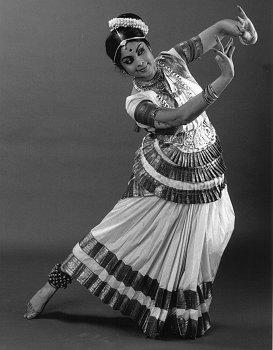

1948
Kerala
Where the training began
Born in Kozhikode, Kerala, daughter of T. M. B. Nedungadi. She is the great-grand-niece of Appu Nedungadi, author of Kundalatha, the first novel in Malayalam.
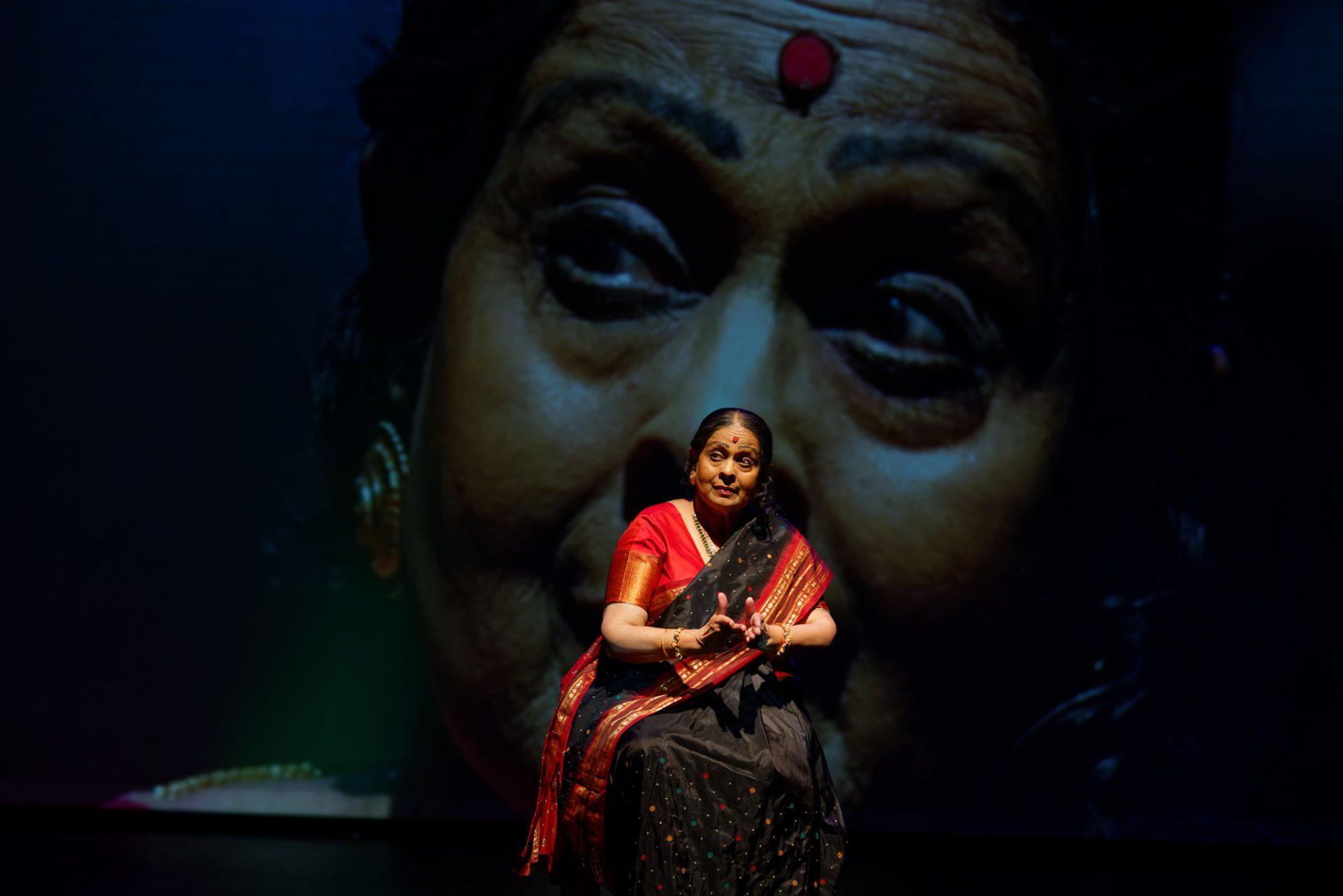
Dancer
Dancer
A pioneer in bridging cultures and continents through the
timeless language of Indian classical dance.
The journey
From the classical traditions of Kerala to stages across the world, a lifetime devoted to the art of expression.
Explore her journey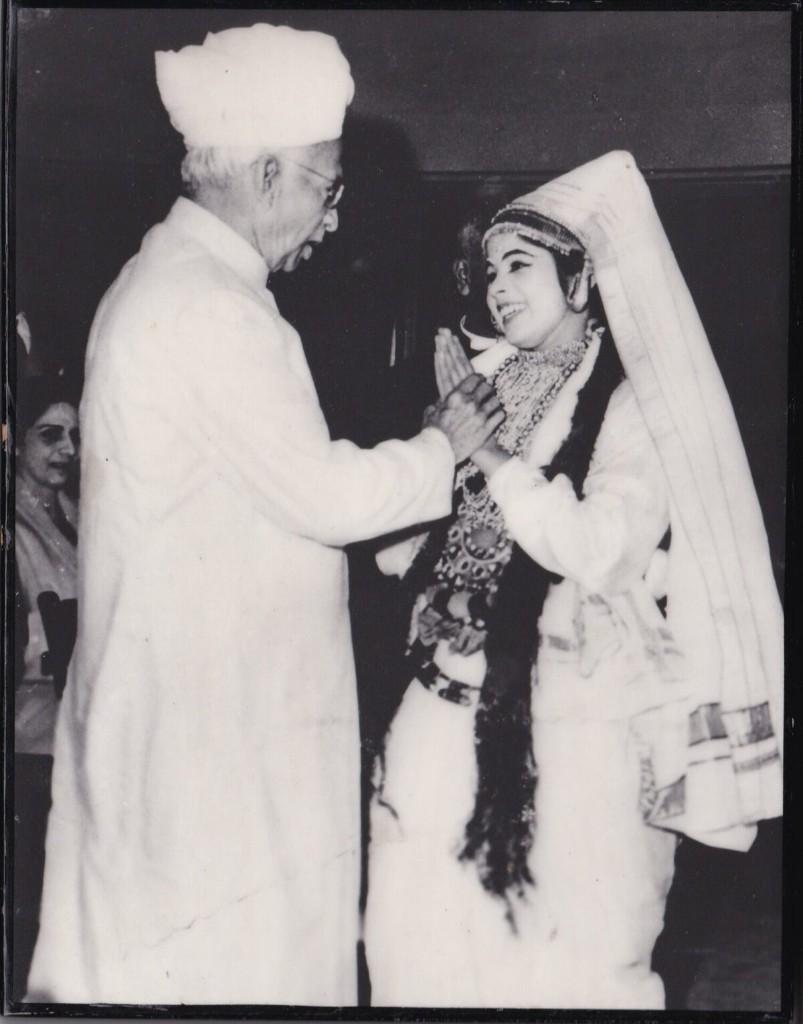
01 / India
In Kerala she trained in Kathakali and Mohiniyattam. In Delhi she danced before the President. Those years gave her a language of expression that would shape her life.
A recital by Kamala Lakshman stayed with her. She stood on her chair and danced while she watched. Serious Kathakali began soon after, in Bombay, at about four and a half.
At the historic Viceroy’s Church in Delhi she danced Mary Magdalene in Kathakali, the first time that role was given a Kathakali body. President Dr S. Radhakrishnan congratulated Tara Nedungadi after the performance.
01 / London
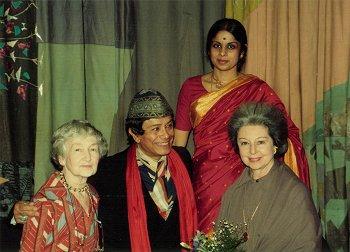
The foundation · 1979
Performing and teaching across Britain and Europe, Tara established the Academy of Indian Dance in London in 1979, helping create a lasting home for Indian dance.
She founded the Academy of Indian Dance with seed support from the British government. Dame Alicia Markova and Ram Gopal were patrons. The organisation continues as Akademi.
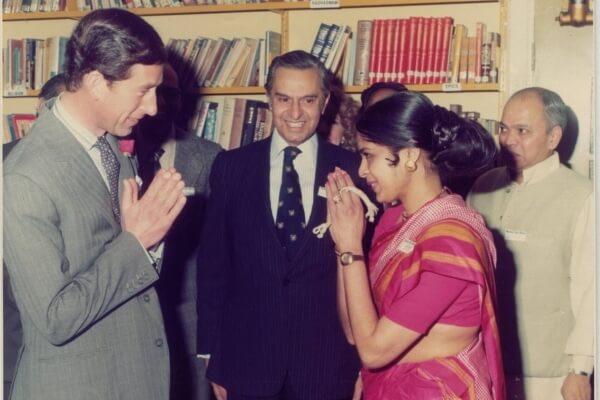
Performance
On 9 June 1972 she performed at the Bedford Park Arts Festival, and the years of recitals across Britain and Europe began. In 1977 she became the first Honorary Director of Dance at Bharatiya Vidya Bhavan in London.
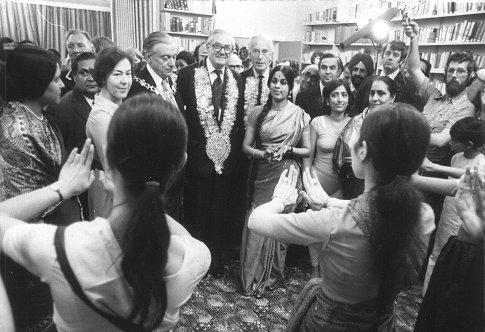
Cultural exchange
She received the Ethnic Arts Award, took part in the Festival of India, and convened seminars arguing for a place for Indian dance in British culture. A television production of her work was broadcast.
British television
Recorded for British television during her London years.
British television interview
British television interview
British television interview
British television interview
03 / Melbourne
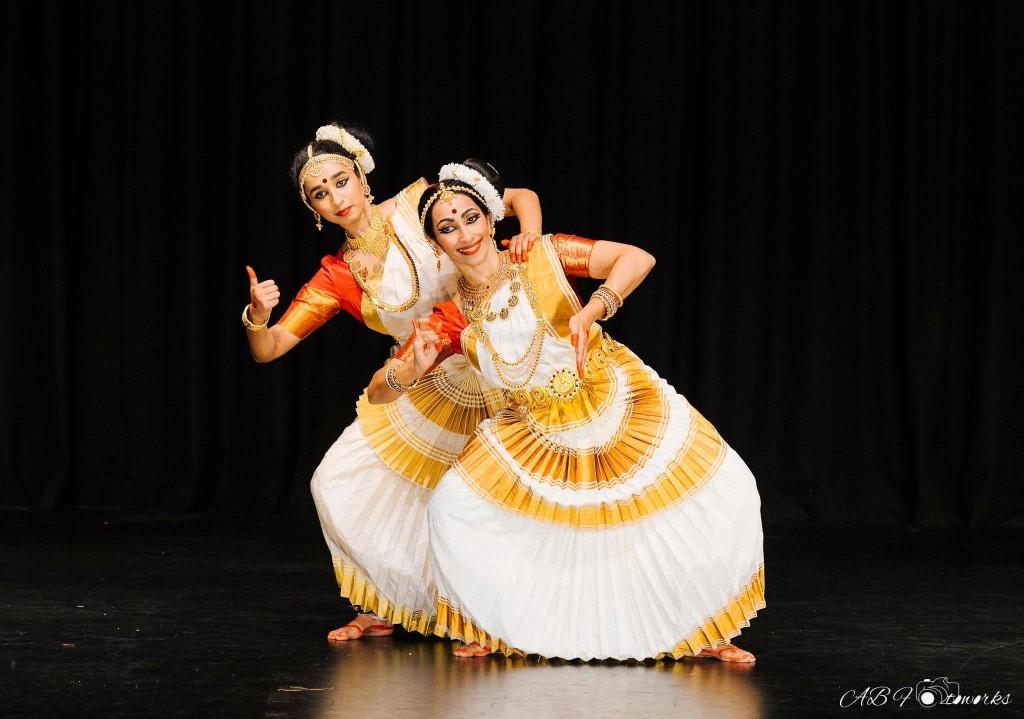
In Australia, Tara founded Natya Sudha in 1986, developed cross-cultural productions and pursued artistic research, including Temple Dreaming and the Louise Lightfoot legacy.
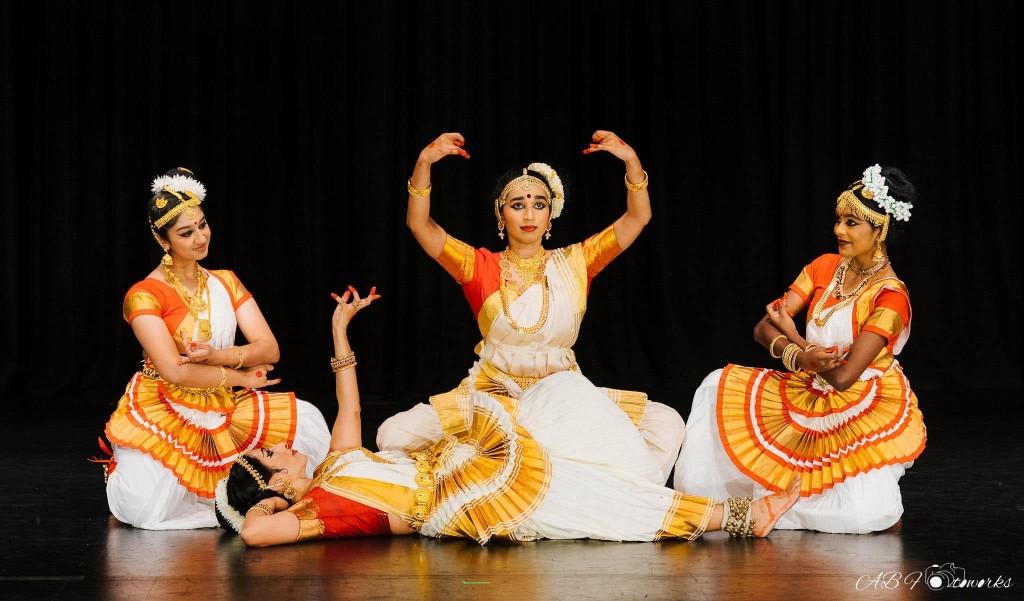
She established Natya Sudha School and the Natya Sudha Dance Company in Melbourne, and placed Kerala’s classical forms in the ordinary life of the city.
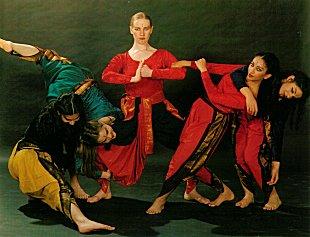
Temple Dreaming, on the Australian dancer Louise Lightfoot, premiered at the Alexander Theatre, Monash University. The work later toured Delhi, Bangalore and Madras.
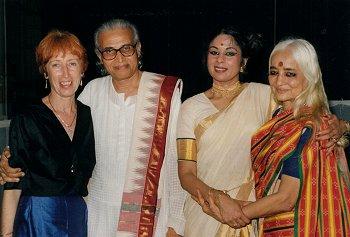
Lightfoot’s archive at Monash waited for her. Temple Dreaming grew from that research, and in 2022 the Louise Lightfoot Legacy and Tara’s Temple Dreaming were shown at the Ian Potter Centre for Performing Arts.
Received in Britain and in Victoria, including the Medal of the Order of Australia.
1981–1982
Received in Britain.
2001
Named in the inaugural roll.
2006
Received in Victoria.
2009
Awarded on 26 January, and presented at
Government House in May.
Moments & milestones
The moments, places and experiences that have shaped Tara's artistic journey.
1948
Where the training began
Born in Kozhikode, Kerala, daughter of T. M. B. Nedungadi. She is the great-grand-niece of Appu Nedungadi, author of Kundalatha, the first novel in Malayalam.
About 1952
Where the training began
Starts Kathakali in Bombay at about four and a half. A recital by Kamala Lakshman stays with her: she stood on her chair and danced while she watched.
Kochi
Where the training began
Serious training with Moleri Namboothiri. Mohiniyattam with Kalamandalam Kalyanikutty Amma, when the repertoire was still only a handful of items. Advanced Kathakali with Kalamandalam Krishnan Nair, and abhinaya with Mani Madhava Chakyar. She dances Krishna opposite Krishnan Nair in Rukmini Swayamvaram.
1961
Where the training began
Her father founds the International Centre for Kathakali in Delhi. She later trains there under Guru Punnathoor Madhava Panicker and dances both women’s and men’s roles.
1963
Where the training began
Dances Mathangi, the lead, in the Centre’s production of Chandalika.
Late 1960s
Where the training began
Becomes the first dancer to perform Mary Magdalene in Kathakali, at the Viceroy’s Church in Delhi, before President Dr S. Radhakrishnan. She also gives an early Mohiniyattam lecture-demonstration at the Sangeet Natak Akademi with Kalyanikutty Amma. From 1968 to 1971 she studies Odissi with Guru Surendra Nath Jena, then concentrates on Kathakali and Mohiniyattam.
1971
An academy for a new country
Her photograph appears on the cover of the Tamil magazine Dinamani Kadhir. In November she joins her husband, Dr Raj Rajkumar, in London.
1972
An academy for a new country
On 9 June she performs at the Bedford Park Arts Festival, and begins the years of recitals and lecture-demonstrations across Britain and Europe.
1977
An academy for a new country
Becomes the first Honorary Director of Dance at Bharatiya Vidya Bhavan in London.
1979
An academy for a new country
Founds the National Academy of Indian Dance, with seed support from the British government. Dame Alicia Markova and Ram Gopal are patrons. The organisation continues today as Akademi.
1981–1982
An academy for a new country
Receives the Ethnic Arts Award. Directs seminars on Indian dance in British culture, takes part in the Festival of India, and has a television production of her work broadcast.
1983
Natya Sudha
Settles in Australia. Her husband had taken a senior research post in Sydney the year before. She has already performed at the Victorian Arts Centre on an earlier visit from London.
1984
Natya Sudha
Gives her first Melbourne recital of Mohiniyattam and Kathakali for the Indian community.
1986
Natya Sudha
Establishes Natya Sudha School and the Natya Sudha Dance Company in Melbourne. The school becomes her way of placing Kerala’s classical forms in the ordinary life of the city.
1993
Natya Sudha
Tours From Temple to Theatre through the United Kingdom, including The Place, the Theatre Museum at Covent Garden, and Bharatiya Vidya Bhavan.
1994
Natya Sudha
Creates Malache — Despatches from Another World with Arena Theatre, and Krishna the Celestial Dancer.
1996
Natya Sudha
Temple Dreaming, on the Australian dancer Louise Lightfoot, premieres at the Alexander Theatre, Monash University. She shares a Green Mill Dance Festival program with Sonal Mansingh, and is made an Honorary Fellow in Monash’s Department of Music, where Lightfoot’s archive had been waiting.
1997
Natya Sudha
Prakrithi, set to poetry by Judith Wright, opens an Asia-Pacific conference at which she is a keynote speaker. Temple Dreaming tours Delhi, Bangalore and Madras.
2001
A life recognised
Named in the inaugural Victorian Honour Roll of Women.
2002–2005
A life recognised
Presents Natya Treyi, a suite of her contemporary choreography. At Erasmus School in Hawthorn, where she teaches Kathakali, she choreographs the whole school’s Ramayana.
2006
A life recognised
Receives the Victorian Volunteer Award. Bhumi Taal is danced at the Victorian Premier’s dinner during the Melbourne Commonwealth Games.
2007–2008
A life recognised
Deeparchana at BMW Edge, Federation Square. Kulin Bhumi, made with dancer Jacob Boehme, brings Indian classical dance together with Australian Indigenous dance. A pilot is shown at the Victorian Arts Centre.
2009
A life recognised
Awarded the Medal of the Order of Australia on 26 January, and presented with it at Government House in May. She serves as Director of Performing Arts at the Monash Asia Institute, and creates New Dance Forms and Old Cultures, an undergraduate course then new to Australia.
2023
A life recognised
Vinod Mankara’s documentary Tara the Singing Anklet premieres at the Indian Film Festival of Melbourne.
2024
A life recognised
Melbourne’s classical Indian dance community honours her at a felicitation during an InconcertMusic gala, marking the decades since Natya Sudha began.
Documentary trailer by Vinod Mankara. It premiered at the Indian Film Festival of Melbourne in 2023.
The ICON, Season 2, episode 3. M4 TV Australia.
The archive
Performance portraits from her own archives, published in 2009, Natya Sudha performances, and photographs from the 2024 felicitation.
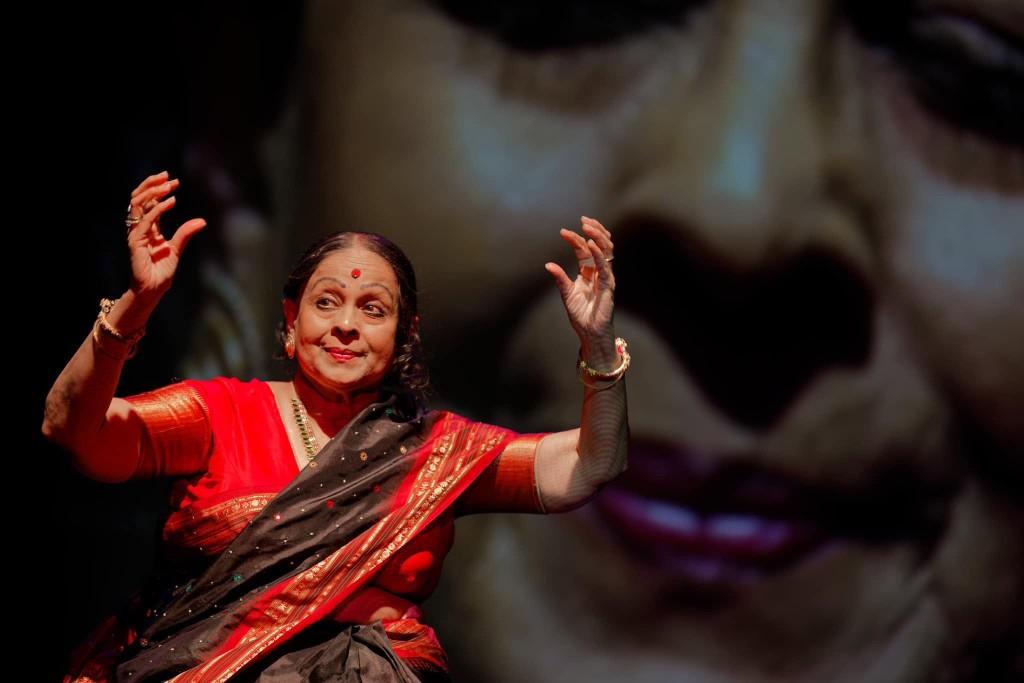
The tradition continues